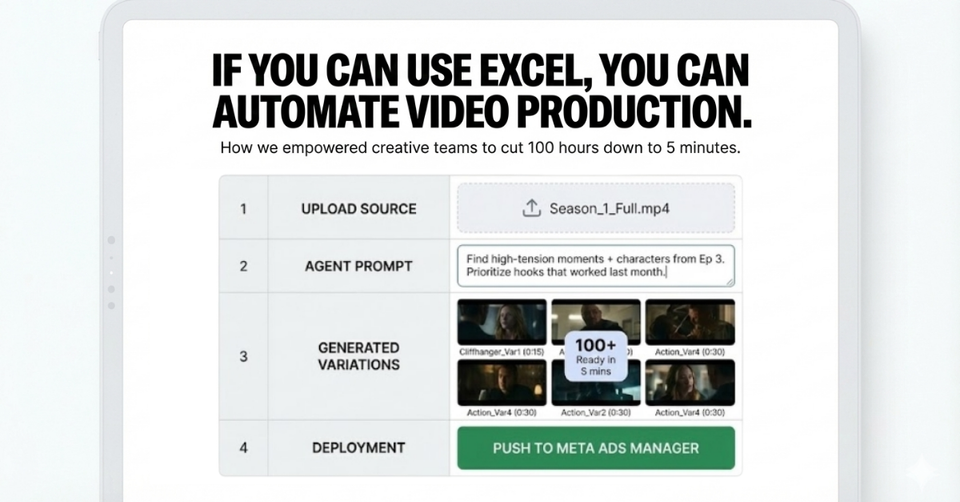
The AI Revolution in Marketing: How Artificial Intelligence Is Transforming the Way Brands Connect With Customers
The AI Revolution in Marketing: How Artificial Intelligence Is Transforming the Way Brands Connect With Customers
Marketing has always been about understanding people — their desires, behaviors, and motivations. But in an era of information overload and sky-high customer expectations, traditional marketing approaches are struggling to keep pace. Enter Artificial Intelligence (AI) — a game-changing force that is reshaping how brands attract, engage, and retain customers at every touchpoint of the journey.
From hyper-personalized email campaigns to intelligent chatbots that never sleep, AI is no longer a futuristic concept reserved for tech giants. It is a practical, accessible toolkit that marketers of all sizes are leveraging right now to drive measurable results. In this post, we'll explore the most impactful ways AI is revolutionizing the marketing landscape and what it means for your strategy going forward.
1. AI-Powered Personalization: Speaking Directly to Every Individual
Gone are the days of one-size-fits-all marketing messages. Today's consumers expect brands to know them — their preferences, purchase history, and even their mood. AI makes this level of hyper-personalization possible at scale.
Machine learning algorithms analyze vast amounts of behavioral data to deliver tailored content, product recommendations, and offers to each individual user. Think about how Netflix suggests your next binge-worthy series or how Amazon seems to know exactly what you need before you search for it. These are AI-powered personalization engines at work.
For marketers, the practical applications are enormous:
- Dynamic email content that changes based on a recipient's past behavior and preferences
- Personalized website experiences that adapt in real time to each visitor's profile
- Targeted ad delivery that reaches the right person with the right message at the right moment
The result? Higher engagement rates, stronger customer loyalty, and significantly improved conversion metrics. Studies consistently show that personalized marketing experiences can deliver five to eight times the ROI on marketing spend.
2. Predictive Analytics: Knowing What Your Customers Want Before They Do
What if you could anticipate customer needs before they even realized them? Predictive analytics powered by AI makes this possible by identifying patterns in historical data and using them to forecast future behavior.
Marketers are using predictive models to:
- Identify which leads are most likely to convert into paying customers
- Predict churn risk so retention campaigns can be deployed proactively
- Forecast seasonal demand to optimize inventory and promotional timing
- Determine the optimal time to send communications for maximum open rates
For example, a subscription-based software company might use predictive analytics to flag customers who haven't logged in for two weeks — a behavior pattern correlated with cancellation — and automatically trigger a personalized re-engagement campaign before the customer decides to leave.
This proactive rather than reactive approach is one of the most powerful competitive advantages AI offers modern marketers.
3. Chatbots and Conversational AI: Always-On Customer Engagement
Customer expectations for fast, responsive communication have never been higher. AI-powered chatbots are answering that call — literally. Modern conversational AI tools can handle thousands of customer interactions simultaneously, 24 hours a day, 7 days a week, without sacrificing quality.
Today's sophisticated chatbots go far beyond scripted FAQ responses. Powered by Natural Language Processing (NLP), they can:
- Understand context and nuance in customer queries
- Guide prospects through the sales funnel with intelligent product recommendations
- Resolve common support issues instantly, freeing human agents for complex cases
- Collect valuable zero-party data through natural conversational interactions
Brands like Sephora, H&M, and Domino's have used chatbots not just for customer service but as full-fledged marketing and sales tools — and the results speak for themselves. Chatbots can reduce customer service costs by up to 30% while simultaneously improving satisfaction scores.
4. AI-Driven Content Generation: Scaling Creativity Without Sacrificing Quality
Content is the lifeblood of digital marketing, but producing high-quality content consistently is resource-intensive. AI content generation tools are changing this equation dramatically.
Platforms powered by large language models can now assist marketers in:
- Drafting blog posts, social media captions, and email subject lines in seconds
- Generating dozens of ad copy variations for A/B testing
- Creating product descriptions at scale for e-commerce catalogs
- Repurposing long-form content into bite-sized formats for different channels
It's important to note that the most effective approach treats AI as a creative collaborator, not a replacement for human creativity. The best results come when skilled marketers use AI to handle the heavy lifting of volume and variation, then apply human judgment and brand voice to refine and elevate the output.
5. Customer Segmentation: Moving Beyond Demographics
Traditional customer segmentation divided audiences by broad demographic categories — age, gender, location. AI-powered segmentation is infinitely more sophisticated, grouping customers based on behavioral patterns, psychographic traits, purchase intent signals, and hundreds of other data points simultaneously.
This granular segmentation enables marketing teams to:
- Identify micro-segments with unique needs that would have been invisible through traditional analysis
- Craft messaging that resonates deeply with specific audience clusters
- Allocate budget more efficiently by focusing spend on highest-value segments
- Discover unexpected customer personas that open up new market opportunities
AI doesn't just find the segments you were looking for — it finds the ones you didn't know existed, often revealing the most profitable growth opportunities hidden in plain sight within your existing data.
Navigating the Challenges: Data Privacy and Ethical AI
As powerful as AI in marketing is, it comes with important responsibilities. Consumers are increasingly aware of how their data is being used, and regulations like GDPR and CCPA have raised the stakes for data governance. Marketers must ensure that AI-powered strategies are built on a foundation of:
- Transparent data collection practices and clear consent mechanisms
- Robust data security and privacy protections
- Ethical use of AI that avoids bias and respects customer autonomy
- Honest communication about when customers are interacting with automated systems
Building trust must go hand-in-hand with building AI capability. The brands that will win long-term are those that use AI to serve customers better — not to exploit their data.
Conclusion: The Future of Marketing Is Intelligently Human
AI is not replacing marketers — it is amplifying what great marketers can do. By automating the analytical and repetitive, AI frees marketing professionals to focus on what humans do best: creative thinking, empathetic storytelling, and building genuine relationships.
The question is no longer whether to adopt AI in your marketing strategy. The question is how quickly and thoughtfully you can integrate it. Brands that embrace AI today — responsibly and strategically — will be the ones setting the pace for their industries tomorrow.
The AI revolution in marketing is not on the horizon. It is already here. The only question is whether you're ready to be part of it.